
- Home
- Suppliers
arrow_drop_down
- Catering
arrow_drop_down
- Clothing
arrow_drop_down
- Finishing Touches
arrow_drop_down
- For The Day
arrow_drop_down
- Body Transformations
- Hair, Beauty & Wellness
arrow_drop_down
- Images
arrow_drop_down
- Jewellery
- On The Night
arrow_drop_down
- Public Speaking
arrow_drop_down
- Stationery
arrow_drop_down
- Travel & Transport
arrow_drop_down
- Venue
arrow_drop_down
- Your Last Night
arrow_drop_down
- Catering
- Blog
- About
- Contact
Wedding Day Photography: What You Need To Know
- Images
-
Jun 11
- Share post
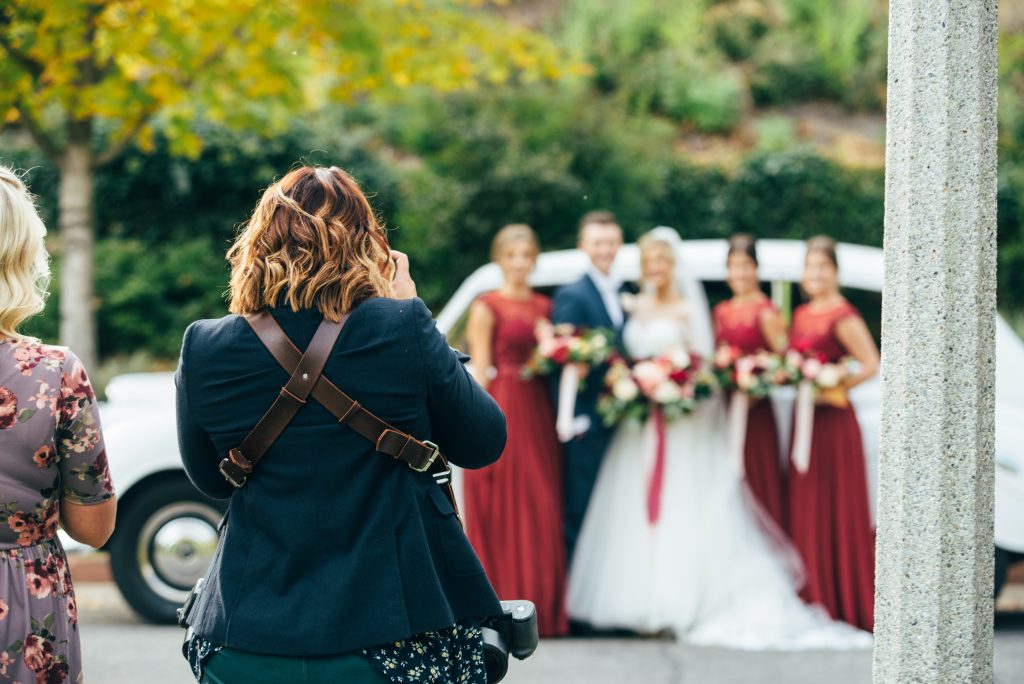
Read our blog to understand what you need to know when it comes to sorting your wedding day photography.
Decide on the photography style for your wedding day
Considering what sort of style of photographs you want for your wedding is the first step before doing anything else. Spending time to research around what it is you want will be more than worth it. A good place to start is thinking about the wedding photos you have seen in the past and which style you have been most drawn to. The three main types of wedding photography are:
Traditional
Your album will consist of classic, posed shots. This style typically means the photographer is involved in directing and posing people for photos.
Photo-journalistic
Often mixed with traditional wedding photography, this style resembles reportage and a creative flair is required to pull it off. The photographer will need to blend in to the crowd to capture those candid moments, with the results being raw and natural images which should evoke emotion.
Illustrative
This photography style places emphasis on lighting, background and composition. The couple is often asked to pose ‘candidly’, meaning the results are a nice mix of the traditional and photo-journalistic styles.
Create your wedding day photography checklist
Deciding what you want photos of throughout your day is essential if you are to properly capture your wedding day in the way you want. Be sure to send your photographer your checklist, as you won’t want them to miss a thing. Let them know of any particularly special moments you’d like to be shot, e.g. a dance with a special friend who has come from overseas, a wedding decoration made by a family member etc. Similarly, let them know of any details you’d like left out. You may also want to provide them with a ‘face sheet’ so they know who the important people are and who to focus on. A wedding photographer should however have their own standard checklist to work from. Discuss thoroughly with your partner and then cross-check with the photographer to ensure you have all bases covered.
A typical wedding day photography checklist may include:
Getting ready – The bride and bridesmaids having their hair and makeup done, the bride’s jewellery and accessories, and of course the wedding dress either hung up or laid out neatly. The groom getting ready with his grooms men, shots of suit details etc.
Portraits – The mother and bride, father and bride, mother and groom, father and groom, siblings with bride, siblings with groom and a group shot of the bridal party.
The car – Father helping the bride into the car, shot of the bride through car window and from the front of the car looking back.
At the venue – The venue exterior, guests arriving, ushers, groom and best man waiting at venue door, groom and best man handshake, groom having his tie adjusted, group shot of the groom, best man and page boy, one of the priest or registrar, details of interior and décor.
Bride arriving – Bride stepping from car with her father’s help, groom waiting at the altar / his first look at his bride, bride’s walk down the aisle, bride kissing father on cheek, mother and father looking at bride.
Ceremony – Bridesmaids, flower girls, pageboys, ring bearers approaching the altar, flower girls spreading petals, father giving bride away, ring ceremony, vows, first kiss, guests. (The ‘face sheet’ mentioned before will come in handy here so make sure they have done their homework!)
After the ceremony – Couple signing the register, best man, witnesses and maid of honour signing the register, couple leaving venue, couple kissing, couple looking at rings, group shots of families and close friends. These photos may take a while so your photographer may choose to photograph elderly relatives first to save them waiting for their turn.
Site specific shots – Couple by a tree, walking on the beach, overlooking waters, walking in the woods. This will obviously depend on your wedding location so think carefully about which shots you’d like and where.
Reception – The married couple greeting guests, the wedding cake, guests signing wedding book, gifts, toasts, speeches, first dance, guests dancing, cutting the cake, bride throwing bouquet, bride and groom leaving, shot of decorated car.

Meet your photographer before the big day
Ideally you want to meet your chosen photographer in person, but if a face-to-face meeting isn’t possible, try a detailed phone call instead. You’ll need to discuss your timeline along with the style of your wedding day and anything you have highlighted in your checklist.
Asking as many questions is a good way to gage the quality and professionalism of your chosen photographer.
- “How many weddings do you shoot per year?”
- “Can I see an example of a complete wedding album?”
- “May I contact previous customers for references?”
Any trustworthy wedding photographer will be happy to answer these questions for you.
In this meeting it is good to highlight everything you can about your wedding to give them the best chancing of capturing your vision. The photographer is going to need to be aware of which wedding traditions are being followed, as these can differ greatly based on culture, religion and beliefs. It is also good to discuss your the style of your wedding and what photos you want from your checklist.
Usually, a photographer will wear a neutral-coloured dress or suit as to not stand out, but do let them know if you’d like them to wear anything specific. Be sure to keep your photographer updated on any awkward family circumstances, so they can be tactful in their positioning of people. They will also need to be aware of any guests with mobility restrictions, so they can organise benches or seats beforehand.
Decide on your final images
Think about what you will do with the images once you have them. Wedding photographers should give you the option to choose between either a CD, a memory stick, online gallery, prints and/or a physical photo album. Discuss this with your partner and confirm with the photographer. Agree on a time frame for the final images and how many you will be receiving. Remember to get this in writing and, if you’re opting for prints, have the sizes and quantity of each confirmed too.
Sign the contract
Lastly and arguably most importantly, be sure to get a written contract. Ensure all details such as location, date, timings, deposit and final price are included, along with whether there will be a second shooter. Sometimes, photographers own the sole copyright to their photos and you’ll need to ask for permission to repost/print, so make sure you discuss this thoroughly. (You won’t want to pay for the rights every time you want to print a wedding photo!) Also, think about whether you’ll be supplying a meal for the photographer/s and whether you’ll be paying for their travel to and from the venue. Finally, discuss the cancellation policy and have this down in writing too, should the very worst happen.